

Please CLICK above to share.
Often our kids feel like they aren’t noticed for what they do “right”. They feel scrutinized, which can get exhausting and can be demotivating. The saying “catch em’ being good” is a powerful idea that I explore in this week’s video. 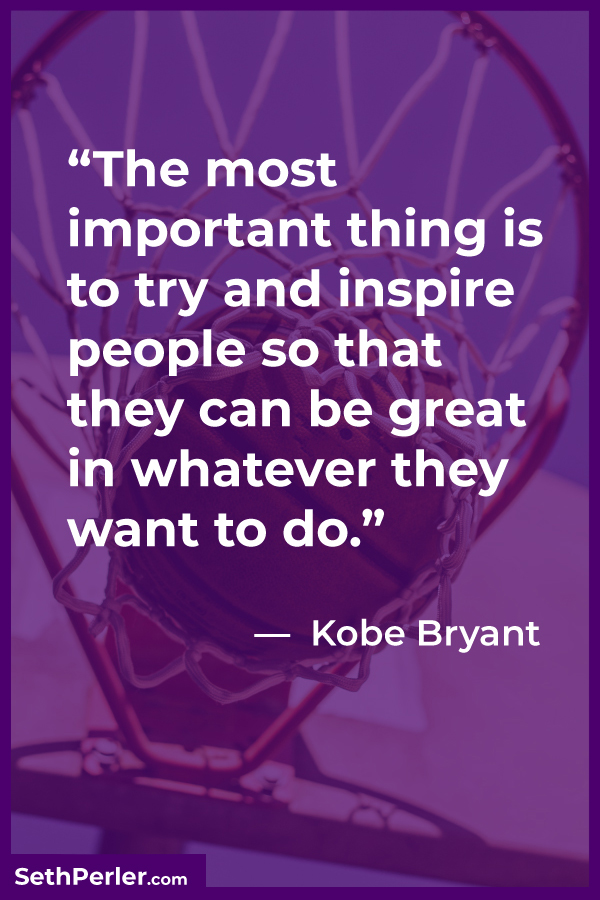
Love my work and want to give? Click here!
To support me, please CLICK at the bottom to share. Click here to visit my official YouTube Channel & subscribe if you want! Thank you — Seth
Video transcript
This one is for you parents out there.
What’s up, parents and teachers? My name is Seth Perler from SethPerler.com. I’m an executive function coach based out of Colorado, and I help struggling students navigate this thing called education so they can have a fantastic life.
But when kids struggle with executive function, it gets in the way of their opportunities, possibilities, and choices in life — literally.
Anyhow, parents, I want to tell you about a saying in the teaching world:
“Catch them being good.”
What does that mean?
The reason it’s such a common saying among teachers is because when we catch kids being good — when we notice them doing the right thing, making healthy choices, or engaging in behaviors that help plant positive seeds for their future — we are actually building healthy, securely attached relationships with them.
As educators, what we are really doing is creating healthy, secure connection.
How does that happen?
When students feel noticed, they feel seen. They feel understood. They feel like someone recognizes their effort and sees that they are trying.
That validation is incredibly powerful.
So often, what we tend to focus on is what’s wrong. We notice the negative behaviors, the mistakes, or the things we don’t like, and we point those out repeatedly.
But “catching them being good” shifts the focus.
So let me share a few ideas that might help you do this more intentionally with your own child.
First, verbally notice what you want them to continue doing.
Even when they do something small, acknowledge it.
If they do something thoughtful, responsible, kind, or helpful — say something.
For example:
“Hey, that was really kind to your sister.”
“I noticed you put your stuff away without being asked. I appreciate that.”
“Hey, you brushed your teeth on your own. Thanks.”
I sometimes call these “pebbles of positivity.”
You’re simply tossing out little positive acknowledgments throughout the day.
The key is to verbally notice the behaviors you want to encourage and reinforce.
At the same time, try not to constantly point out the negative.
Of course, some things need to be addressed. But before you say something critical, pause and ask yourself:
“Is this really necessary to say right now?”
Think about how you would feel if someone constantly pointed out everything they didn’t like about you.
The next idea is something called the “3-to-1 Rule.”
This means aiming for three positive comments for every one negative comment.
For many families, even moving toward a 1-to-1 ratio would already be a huge improvement. So don’t get overly rigid about the exact number.
The point is simply this:
Make sure your child experiences far more positive interactions than negative ones.
Another important point: be authentic.
Don’t overdo it, and don’t make it fake.
Kids can tell when praise is forced or insincere.
The compliments should be real, specific, and grounded in actual behaviors you genuinely appreciate.
Even tiny things count.
Sometimes I’ll literally say:
“Hey, you remembered to put your name on your paper. Nice job.”
Small moments matter.
And finally — one of the best ways to “catch them being good” is this:
Have fun with them.
Play with them.
Laugh with them.
Spend time together.
Just enjoy being with your child.
When you’re doing something fun together, try very hard not to turn it into a lecture or correction session.
You may feel the urge to point something out:
“You should do this.”
“You need to work on that.”
But unless it’s a true safety issue, let it go for a while.
Be fully present.
Connect with your child in a fun, relaxed way.
That connection matters more than you realize.
That’s all I’ve got for you.
My name is Seth Perler from SethPerler.com. I’m an executive function coach based out of Colorado, and I help struggling students navigate school and education so they can build fantastic lives.
I’ll see you soon.
The Executive Funciton Pack
Practical strategies for parents to help their child build motivation, independence, and confidence
Student Course
My step-by-step methods broken down for students
Coaching
Get executive function coaching support
Become an EF Coach
For teachers, tutors, parents who want to become a certified, profitable Executive Function Coach